Pea protein: product forms and which to choose
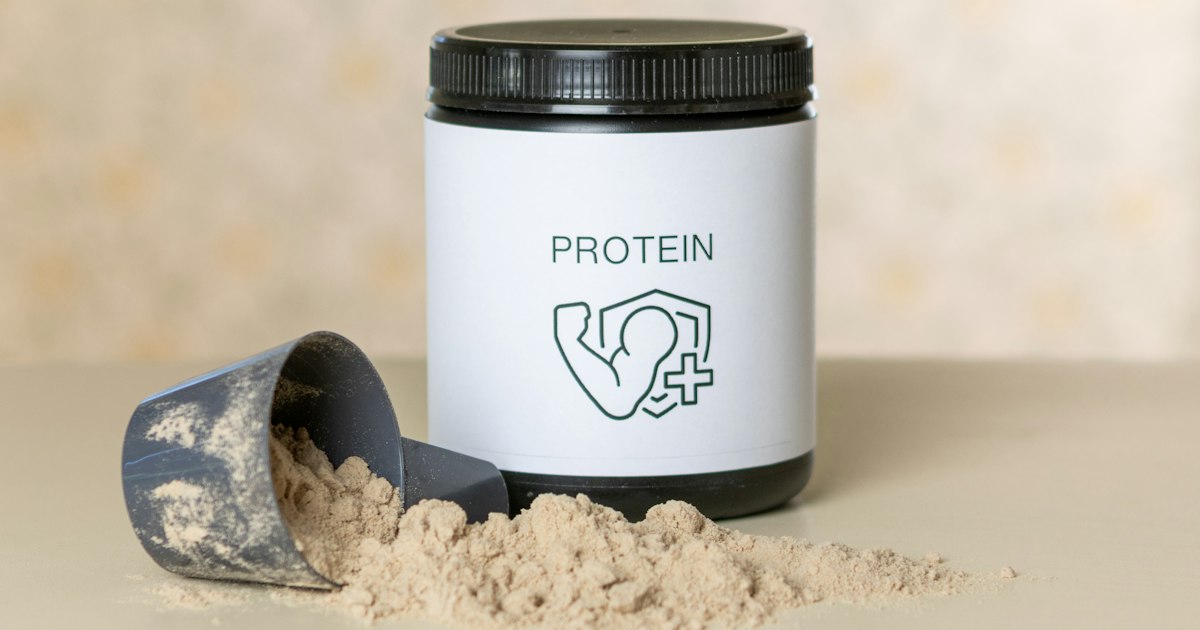
Under the name «pea protein» products are sold that differ substantially in protein content, taste, solubility and purpose. Some are intended for post-workout shakes, others — for preparing plant patties. Our editorial team examined the main product forms of pea protein and explains how to choose the one right for you.
How the forms of pea protein differ
All forms of pea protein have a common origin — the seeds of the yellow pea. They differ in the processing technology, which determines how much protein remains in the product, how much starch, fiber and oligosaccharides there will be, as well as what the taste and texture will be.
The dry technology (air classification) separates ground flour into a light protein fraction and a heavy starch one. This produces concentrates. The wet technology involves dissolving the proteins in water with subsequent precipitation and drying, which yields isolates with a higher protein content. Additional enzymatic processing produces hydrolysates, and extrusion under pressure and temperature — textured protein.
For the consumer, these differences mean a different price-to-quality ratio. Concentrate is cheaper but less «pure»; isolate is more expensive but contains more protein per serving and is usually tolerated better by the digestive system.
A separate category is blends of pea protein with other plant proteins, most often with rice. They are created to improve the amino acid profile, since pea and rice complement each other in lysine and sulfur-containing amino acids.
Concentrate, isolate and hydrolysate
Pea protein concentrate.Contains noticeably less protein than the isolate, and more starch and fiber. It has a more pronounced «beany» taste and more often causes bloating due to residual oligosaccharides. In sports nutrition it is found less often, more often in the food industry and budget blends.
Pea protein isolate.The most common form in sports proteins. The protein content is usually about 80–85% and higher in dry weight. It was precisely the isolate that was used in the main clinical studies, in particular in the work of Babault et al. (2015). The analysis by Gorissen et al. (2018) showed that commercial pea protein isolates have some of the highest essential amino acid content indicators among plant proteins.
Pea protein hydrolysate.The protein is partly cleaved by enzymes into peptides. Such processing improves solubility and can reduce the viscosity of the drink, but often adds a slightly bitter taste. There is no convincing evidence of an advantage of hydrolysate over isolate for muscle mass gain in healthy people.
«Fermented» and «sprouted» variants of pea protein are also found. Manufacturers claim better digestibility and a smaller amount of antinutrients, but there are few independent clinical comparisons of these products with ordinary isolate, so such advantages should be taken with caution.
Textured protein, blends and ready-made products
Textured pea protein.Obtained by extrusion: the protein mass is heated and forced through under pressure, and it acquires a fibrous structure similar to minced meat. Sold in the form of dry granules or pieces that are soaked before cooking. This is a culinary product for patties, sauces, fillings, not a powder for shakes.
Blends of pea and rice protein.One of the most popular categories of plant proteins. The combination compensates for the limiting amino acids of each source. The review by Pinckaers et al. (2021) mentions combining different plant proteins as one of the main strategies for increasing their anabolic effectiveness.
Ready-to-consume drinks and plant milk.Pea protein is widely used in plant beverages. The protein content in them is significantly lower than in powder, since the bulk is water, but they are convenient for those who want to get protein without preparation.
Bars and snacks.Pea protein is often included in vegan protein bars, chips, cookies. Such products are convenient but usually contain a significant amount of sugar, fats or sugar alcohols, so they should be considered a snack rather than a main protein source.
| Form | Main purpose | Advantages | Disadvantages |
|---|---|---|---|
| Isolate | Shakes, sports nutrition | High protein content, better tolerance | More expensive than concentrate |
| Concentrate | Budget blends, food industry | Lower price | Less protein, more gas formation |
| Hydrolysate | Drinks with better solubility | Solubility, lower viscosity | Bitterness, price |
| Textured | Cooking, meat substitutes | Texture, convenience in dishes | Not for shakes |
| Blend with rice | Shakes for vegans | A more balanced amino acid profile | Composition depends on the manufacturer |
| Ready-made drinks, bars | A snack on the go | Convenience | Less protein, more additives |
How to choose a form for your goal
For recovery after workouts and getting protein with minimal calories, an isolate or a blend of pea and rice protein is best suited. They provide the most protein per serving and the most predictable composition.
If you are prone to bloating, choose an isolate without sugar alcohols and inulin and avoid concentrates. Hydrolysate makes sense if consistency is fundamentally important to you, but be prepared for a specific taste.
- Muscle gain and recovery:isolate or a pea + rice blend.
- A vegan diet with an emphasis on amino acid balance:a blend of plant proteins.
- Home cooking:textured protein for dishes, unflavored isolate for baking.
- A limited budget:unflavored isolate in a large package is often more advantageous per gram of protein than flavored concentrate.
- Convenience on the go:ready-made drinks and bars with careful reading of the composition.
Athletes who undergo doping control should choose products with independent certification for the absence of prohibited substances. The risk of contamination exists for any supplements, and plant origin is not a guarantee of purity.
What to look at on the label
First — the protein content per serving and per 100 g. For an isolate it is reasonable to expect a high protein content; if the figure is noticeably lower, the product is probably a concentrate or contains a significant amount of fillers.
Second — the composition. In the simplest version this is one ingredient: pea protein isolate. In flavored versions cocoa, flavorings, sweeteners, thickeners are added. If there are several proteins in the composition, find out their ratio.
Third — the sodium content. Pea isolate can contain a noticeable amount of sodium, which is important for people who limit salt.
Fourth — the presence of independent laboratory control, in particular for heavy metals. Plant raw material can accumulate metals from the soil, so a manufacturer's transparency regarding batch analyses is a substantial plus.
Fifth — the labeling of allergens and possible traces. Pea is not among the 14 mandatory allergens of the EU under Regulation No 1169/2011, but the product may be manufactured on a line where soy, peanuts or milk are processed, which is important for allergy sufferers.
Editorial conclusions
For most people looking for a plant protein supplement, the optimal choice is pea protein isolate or its blend with rice protein: they have the highest protein content and the best tolerance.
Concentrate is cheaper but more often causes bloating, hydrolysate is a matter of taste and consistency, and textured protein is intended for cooking.
Read the label carefully: protein content, composition, sodium and the presence of independent testing.
We also recommend reading our articles «Pea protein: what it is and how it works», «How to take pea protein» and «Egg protein: product forms and which to choose».
References
- Gorissen SHM, Crombag JJR, Senden JMG, et al. Protein content and amino acid composition of commercially available plant-based protein isolates. Amino Acids. 2018;50(12):1685–1695.
- Babault N, Païzis C, Deley G, et al. Pea proteins oral supplementation promotes muscle thickness gains during resistance training: a double-blind, randomized, placebo-controlled clinical trial vs. whey protein. J Int Soc Sports Nutr. 2015;12(1):3.
- Pinckaers PJM, Trommelen J, Snijders T, van Loon LJC. The anabolic response to plant-based protein ingestion. Sports Med. 2021;51(Suppl 1):59–74.
- van Vliet S, Burd NA, van Loon LJC. The skeletal muscle anabolic response to plant- versus animal-based protein consumption. J Nutr. 2015;145(9):1981–1991.
- Jäger R, Kerksick CM, Campbell BI, et al. International Society of Sports Nutrition position stand: protein and exercise. J Int Soc Sports Nutr. 2017;14:20.
- Regulation (EU) No 1169/2011 of the European Parliament and of the Council on the provision of food information to consumers. Official Journal of the European Union. 2011;L304:18–63.
Andriy Melnyk
A strength-sports coach and author of programs for beginner and intermediate levels. Writes about training planning.