Pea protein: what it is and how it works
Over the past decade, pea protein has transformed from a niche product for vegans into one of the most popular plant proteins in sports nutrition. It is added to blends, bars, plant «milk» and even to meat substitutes. Our editorial team explains what this substance is, how it is obtained and how it works in the body.
What pea protein is
Pea protein is a concentrated protein isolated from the seeds of the field pea (Pisum sativum), most often from yellow split peas. The pea itself contains about a quarter protein of its dry weight, with the rest made up of starch, fiber, minerals and a small amount of fats. The manufacturer's task is to separate the protein part from everything else.
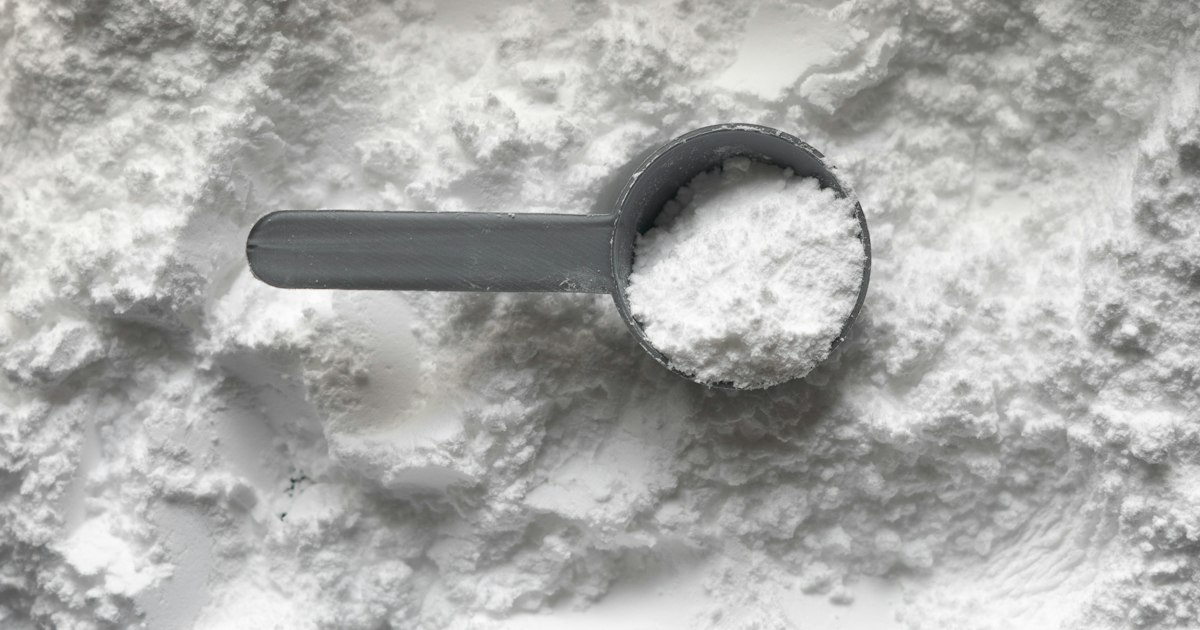
On the market, pea protein is represented by two main forms: concentrate and isolate. In the concentrate the protein share is lower and more carbohydrates and fiber remain; in the isolate the protein content is usually about 80–85% and higher. In sports nutrition the isolate is predominantly used.
The popularity of pea protein is explained by several factors. It contains no lactose, gluten or soy, so it suits people with intolerance of these components. Pea is not on the list of 14 major food allergens of the EU. In addition, it has a more neutral taste than many other plant proteins and combines well with other ingredients.
For vegetarians and vegans, pea protein is one of the main ways to increase protein intake without products of animal origin. For people who do not limit themselves in animal products — it is an alternative to whey with a different tolerance profile.
How it is produced
The most common industrial method is so-called wet extraction. The peas are cleaned of the hull, ground into flour and mixed with water in an alkaline medium. Under such conditions the proteins go into solution, while the starch and fiber remain as an insoluble sediment, which is separated by centrifugation.
The solution is then acidified to the isoelectric point of the proteins — the acidity level at which they dissolve worst and precipitate. The protein sediment is separated, washed, neutralized and spray-dried. This is how the isolate is obtained. Some manufacturers additionally apply ultrafiltration to increase the purity of the product.
There is also a dry technology — air classification, in which ground flour is separated into fractions by particle size and density. This produces concentrates with a moderate protein content. This method is cheaper and does not require water or chemical reagents, but the purity of the product is lower.
An important advantage of industrial processing is the reduction of the content of so-called antinutrients — trypsin inhibitors, phytates, lectins, part of the oligosaccharides. In raw peas they reduce protein digestibility and can cause bloating, but during extraction and heating their amount is substantially reduced.
Composition and amino acid profile
The basis of pea proteins is globulins — legumin and vicilin (as well as convicilin) — and, to a lesser extent, albumins. Globulins are responsible for functional properties: the ability to form gels, emulsions and foam, which is important for the food industry.
From a nutritional standpoint, the amino acid profile is key. Pea protein contains all the essential amino acids, but in different proportions. It is rich in lysine and arginine and has a decent content of branched-chain amino acids. The limiting amino acids for pea are the sulfur-containing ones — methionine and cysteine.
An analysis of commercial plant isolates conducted by Gorissen et al. (2018) showed that the content of essential amino acids and leucine in plant proteins is generally lower than in animal ones, although pea isolate is among the best positions among plant proteins. The authors also emphasized that combining different plant proteins makes it possible to bring the profile closer to the animal one.
| Indicator | Pea isolate | Whey protein | Rice protein |
|---|---|---|---|
| Origin | Plant | Animal (milk) | Plant |
| Lysine | High | High | Low (limiting) |
| Methionine + cysteine | Low (limiting) | High | Relatively higher |
| Leucine | Moderate | High | Moderate |
| Lactose | None | Present (especially in concentrate) | None |
That is exactly why peas and rice are often combined: rice has little lysine but relatively more sulfur-containing amino acids, while pea is the opposite. Such a blend has a more balanced profile than each protein separately.
How pea protein works in the body
The mechanism of action of pea protein is the same as that of any dietary protein. In the stomach and small intestine it is broken down by digestive enzymes into amino acids and short peptides, which are absorbed into the blood. From there they travel to the tissues, in particular to the muscles.
In the muscles, amino acids perform two functions. First, they are the building material for new proteins. Second, some of them, primarily leucine, act as signaling molecules: they activate the protein complex mTORC1, which triggers muscle protein synthesis (Norton, Layman, 2006). That is why the leucine content in a serving is considered one of the key indicators of a protein's «anabolic potential».
Since pea protein has somewhat less leucine than whey, a slightly larger portion may be needed for an equivalent signaling effect. In reviews devoted to plant proteins (van Vliet et al., 2015; Pinckaers et al., 2021), among the strategies for increasing their effectiveness they mention precisely increasing the dose, combining different sources and enriching with leucine.
In the long term, when total protein intake is sufficient, pea protein combined with resistance training provides muscle mass gain. A randomized study by Babault et al. (2015) found no statistically significant difference in the increase in muscle thickness between the pea and whey protein groups over 12 weeks of training.
Strengths and weaknesses
Let us sum up what makes pea protein attractive and what its limitations are.
- Advantages:plant origin, absence of lactose, gluten and soy; good tolerance in most people; high content of lysine and arginine; moderate price; more environmentally friendly production compared to animal proteins.
- Limitations:lower content of methionine and leucine than in animal proteins; a specific «beany» taste; poorer solubility; a possible content of heavy metals, which requires quality control of the raw material.
The issue of heavy metals should be considered separately: plants can accumulate them from the soil, so for plant proteins independent laboratory testing is especially important. Quality manufacturers publish the results of batch analyses.
Taste and consistency are more a matter of habit. Modern isolates are much more neutral than early products, and in blends with cocoa, berries or plant milk the «beany» notes are almost imperceptible.
For people with no dietary restrictions, pea protein can be a way to diversify protein sources, and for vegans — one of the foundations of the diet along with other legumes, grains, nuts and seeds.
Editorial conclusions
Pea protein is a protein isolated from yellow peas, most often in the form of an isolate with a high protein content. It contains all the essential amino acids but is limited in methionine and has less leucine than whey.
Its mechanism of action is ordinary for a dietary protein: amino acids become building material and a signal for muscle protein synthesis. With a sufficient dose and regular training, pea protein works in practice.
For maximum effectiveness it is worth combining it with other plant proteins, for example rice, and monitoring the quality of the product.
We also recommend reading our articles «The benefits of pea protein for athletes: the evidence base», «Side effects of pea protein» and «Pea protein: product forms and which to choose».
References
- Babault N, Païzis C, Deley G, et al. Pea proteins oral supplementation promotes muscle thickness gains during resistance training: a double-blind, randomized, placebo-controlled clinical trial vs. whey protein. J Int Soc Sports Nutr. 2015;12(1):3.
- Gorissen SHM, Crombag JJR, Senden JMG, et al. Protein content and amino acid composition of commercially available plant-based protein isolates. Amino Acids. 2018;50(12):1685–1695.
- van Vliet S, Burd NA, van Loon LJC. The skeletal muscle anabolic response to plant- versus animal-based protein consumption. J Nutr. 2015;145(9):1981–1991.
- Pinckaers PJM, Trommelen J, Snijders T, van Loon LJC. The anabolic response to plant-based protein ingestion. Sports Med. 2021;51(Suppl 1):59–74.
- Norton LE, Layman DK. Leucine regulates translation initiation of protein synthesis in skeletal muscle after exercise. J Nutr. 2006;136(2):533S–537S.
- FAO. Dietary protein quality evaluation in human nutrition: report of an FAO Expert Consultation. FAO Food and Nutrition Paper 92. Rome: FAO; 2013.
Andriy Melnyk
A strength-sports coach and author of programs for beginner and intermediate levels. Writes about training planning.